Zinc Carnosine: What This Gut Health Repair Supplement Ingredient Is Studied For
Quick answer
Zinc carnosine is a chelate of zinc and the dipeptide L-carnosine, known in Japan as polaprezinc, where it has been a licensed stomach medicine since the 1990s and is sold elsewhere as a dietary supplement. Its research sits almost entirely in the stomach and upper small intestine, and it is the zinc dose — not the carnosine — that decides how long anyone should take it.
- Usual regimen studied: 75 mg twice daily, totalling 150 mg a day.
- Zinc that delivers: roughly 30–35 mg of elemental zinc, close to the adult upper intake level of 40 mg.
- Main limitation: most trials are small, most are from one country, and almost none involve healthy people with vague symptoms.
Of the ingredients that turn up in a gut formula, zinc carnosine has the most unusual paperwork. In one country it is a prescription drug with an approved indication. In another it is a supplement that may not legally claim to do anything of the sort. Same molecule, same evidence, two completely different sets of permitted sentences.
That split explains most of the confusion around it. Nearly every product marketed as a gut health repair supplement that names zinc carnosine is leaning on research conducted where the compound is a medicine, in patients who had something specific wrong with them, at a dose that carries a mineral ceiling worth knowing about before you start.
What zinc carnosine actually is
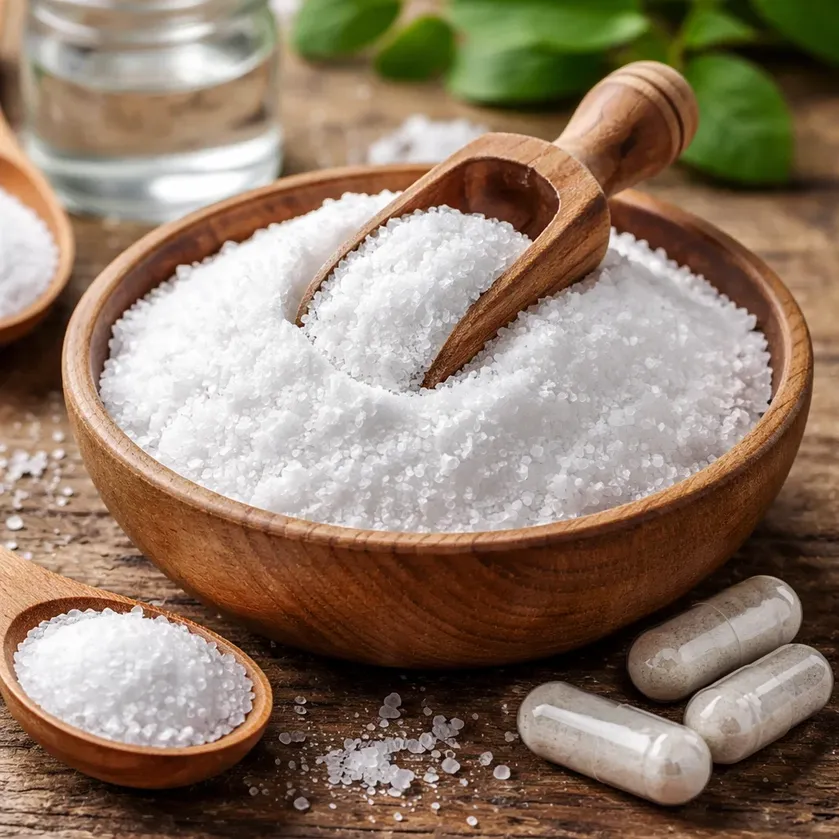
It is not a blend of two ingredients in a capsule. Zinc carnosine is a coordination complex in which zinc is bound to L-carnosine — itself a dipeptide of beta-alanine and L-histidine — in a one-to-one ratio, forming a polymeric chain structure. The bound form behaves differently from either component taken separately, which is the whole point of making it.
It was developed in Japan and licensed there in the 1990s under the name polaprezinc, for gastric conditions. In the United States, the United Kingdom and most of Europe it is regulated as a dietary supplement ingredient, often sold under a branded designation. The compound is identical; only the claims permitted around it change.
Both halves have a plausible role. Zinc is required for the enzymes involved in cell division and for the migration of epithelial cells across a damaged surface, a process called restitution. Carnosine binds metals, buffers acid and behaves as an antioxidant in laboratory conditions. What the chelate adds is behaviour rather than chemistry.
Why a chelate instead of zinc and carnosine separately
The proposed mechanism is physical as much as biochemical. Zinc carnosine is poorly soluble at the pH of the stomach, so rather than dissolving and being absorbed promptly like zinc sulfate or zinc gluconate, a fraction of it is thought to adhere to inflamed or ulcerated mucosal surfaces and release zinc slowly, at the site, over hours.
That is a genuinely different design goal from every other zinc product on a shelf. A conventional zinc supplement is trying to raise your systemic zinc status. This one is trying to sit on a surface. Laboratory work supports parts of the story: in cell models zinc carnosine speeds the migration and proliferation involved in repairing a scratched epithelial layer, and effects on cellular stress proteins have been reported.
The interesting claim about zinc carnosine has never been that it delivers zinc. It is that it stays where it is put. That is also the claim that is hardest to demonstrate in a person.
It is worth being precise about the status of that mechanism. It is a well argued and reasonably well supported model, not a proven account of what happens in a human stomach at a supplement dose. Cell scratch assays are informative; they are not people.
What the human research covers
Grouped honestly, the clinical literature looks like this.
| Area studied | What the trials look like | Evidence strength |
|---|---|---|
| Gastric mucosal damage and ulcer | The basis of its licensing as a medicine in Japan; several decades of use in that setting | Strongest of the set, but drug-regulated use, not supplement use |
| Added to antibiotic regimens for Helicobacter pylori | A number of trials, mostly Japanese, examining whether adding it changes clearance rates | Moderate, and only ever as an addition to treatment prescribed by a doctor |
| Anti-inflammatory drug effects on small-bowel permeability | Small, short crossover studies in volunteers using a sugar-absorption test | Small studies, surrogate endpoint, limited replication |
| Oral and gut mucosal damage during cancer treatment | Small trials, some using a suspension rather than capsules | Mixed and preliminary |
| Taste disturbance | Studied where the disturbance is linked to zinc status | Modest, and specific to that context |
| Bloating, general discomfort, healthy adults | Very little; this is the group most likely to buy it | Not established |
Three caveats apply across the whole table. The trials are mostly small. A large share come from a single country, and geographic concentration is a recognised reason to be cautious about a result. And nearly all of them recruited people with a documented lesion or a documented exposure — which means the population in the studies is not the population reading a label about bloating.
Came here looking at AlkaLean?
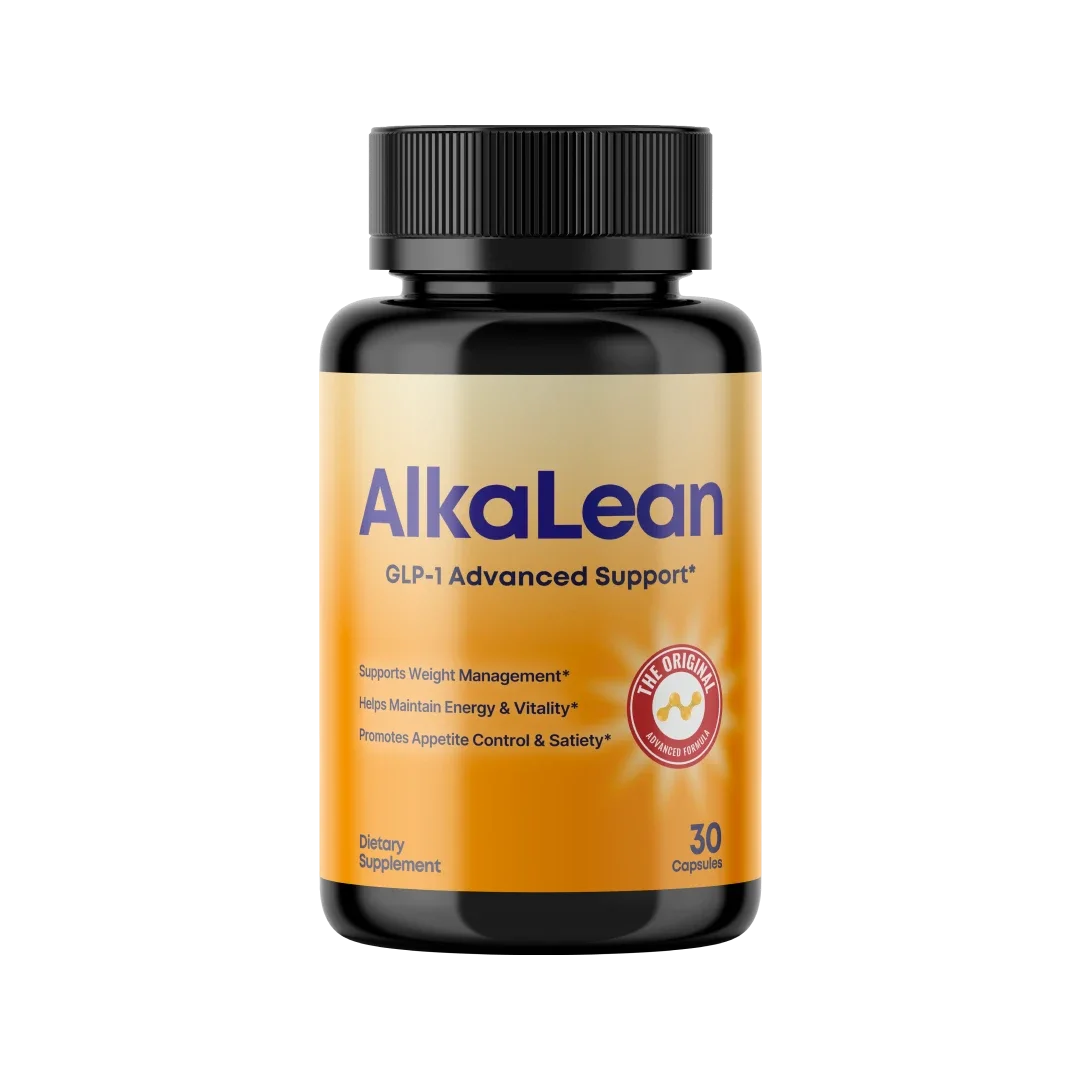
AlkaLean does not contain zinc carnosine — it names apple cider vinegar and three mineral BHB salts. The official store is where the current price and the full label are published.
See the official storeGut health repair supplement doses, and the zinc ceiling nobody mentions
Almost every product converges on the same regimen because almost every trial used it: 75 mg twice daily. That is a dose of the complex, not of zinc, and the difference is the single most important number on the label.
Zinc makes up roughly a fifth to a quarter of zinc carnosine by weight. At 150 mg a day of the complex, you are taking somewhere in the region of 30 to 35 mg of elemental zinc — against a recommended daily intake for adults of about 8 to 11 mg, and a tolerable upper intake level of 40 mg a day from all sources combined.
| Product or source | Typical daily amount | Approximate elemental zinc | Note |
|---|---|---|---|
| Zinc carnosine, studied regimen | 75 mg twice daily | Around 30–35 mg | Most of your allowance before anything else is counted |
| Zinc carnosine, lower-dose products | 37.5 mg twice daily | Around 15–18 mg | Half the studied amount; leaves room for other sources |
| Zinc gluconate | 50 mg of the salt | Around 7 mg | Low zinc fraction; the salt weight flatters the label |
| Zinc picolinate or sulfate | Varies | Roughly a fifth to a quarter of the salt weight | Panels usually state elemental zinc, which is the number to use |
| A typical multivitamin | One tablet | Often 8–15 mg | Easy to forget when adding a second product |
| Adult upper intake level | — | 40 mg a day, all sources | Not a target — a ceiling for routine intake |
Put those rows together and the arithmetic gets uncomfortable quickly. A full zinc carnosine regimen plus a multivitamin plus a zinc lozenge during a cold can exceed the upper level without anyone doing anything obviously excessive. This is the detail most missing from lists of the best gut health repair supplement, and it is the one with actual consequences.
Most trial protocols also ran for weeks, not indefinitely. Treating the studied dose as an open-ended daily habit goes beyond what was tested.
Zinc's own baggage: copper, timing and medicines
Zinc and copper compete for absorption in the small intestine, and high zinc intake induces a protein in intestinal cells that traps copper and carries it out with the shed cell. Sustained high zinc intake can therefore produce copper deficiency, which presents as anaemia, low white cell counts and, in more advanced cases, nerve damage that does not always fully resolve. This is documented and it is the main reason long-term high-dose zinc belongs under supervision.
There are also straightforward interactions worth knowing:
- Quinolone and tetracycline antibiotics bind zinc and are absorbed less well; separate the doses by at least two hours.
- Penicillamine and some other chelating medicines interact directly.
- High-dose iron or calcium taken at the same time reduces zinc absorption, and vice versa.
- An empty stomach makes nausea considerably more likely; food reduces it.
None of this makes zinc carnosine dangerous at a sensible dose for a limited period. It makes it a mineral supplement with a real ceiling, which is a different thing from a herb.

What zinc carnosine cannot do, and when to see a doctor instead
It cannot diagnose, treat, cure or prevent any disease, and in the United States no supplement may say otherwise regardless of how it is regulated elsewhere. The word "repair" on a label is marketing language for what the research describes as mucosal support in specific, studied circumstances.
It does not address causes. If an anti-inflammatory drug is irritating your stomach, the medicine itself is the conversation to have with whoever prescribed it, and no gut health repair supplement changes that. If Helicobacter pylori is present, it needs testing and a course of antibiotics; nothing sold in a supplement aisle substitutes for that. If reflux is the problem, the diagnosis and the treatment are both medical questions.
Some symptoms should never be self-managed with a supplement at all. Vomiting blood, black or tarry stools, difficulty swallowing, persistent vomiting, unintentional weight loss or severe or worsening upper abdominal pain all need prompt medical assessment. So does stomach pain in anyone taking regular anti-inflammatories or blood thinners.
Avoid it, or ask first, if you are pregnant or breastfeeding, if you have reduced kidney function, if you already take zinc in another form, if you take any of the medicines above, or if you have a copper metabolism disorder.
And it is worth saying plainly that for the person searching for the best gut health supplement for bloating, this ingredient's evidence base is not really about them. The trials studied damaged mucosa. Bloating is usually about fermentation, motility or food triggers, which is a different mechanism entirely — our piece on what resistant starch feeds covers that end of the gut. Our companion article on L-glutamine and the gut lining looks at the other ingredient that shares this shelf.
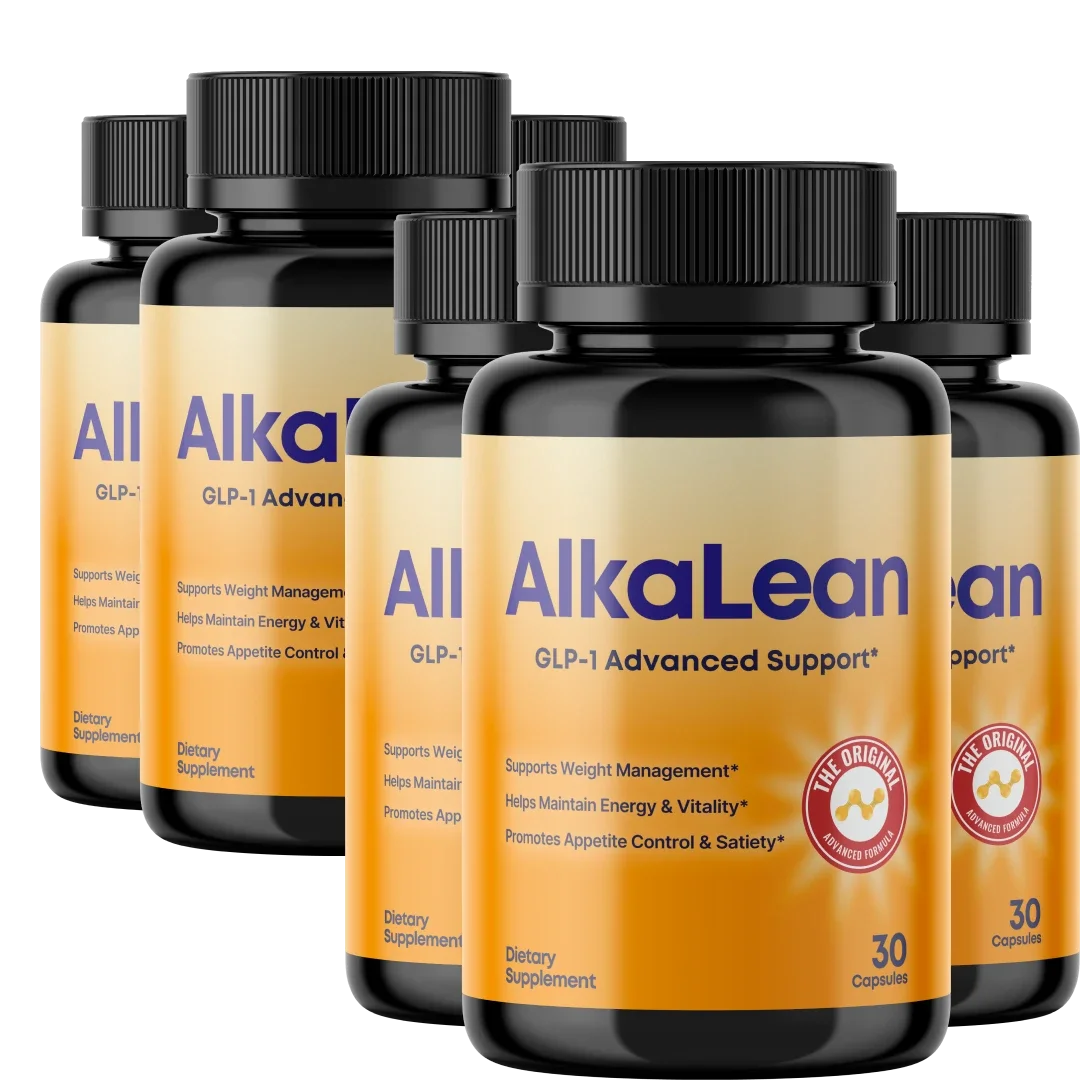
If you arrived from the AlkaLean product page, note that AlkaLean is a ketone and mineral formula and carries no zinc carnosine at all; the minerals it does carry are covered in our piece on calcium, magnesium and sodium BHB salts, where the same upper-limit logic applies for different minerals.
See the current AlkaLean price
If you were working out where to buy weight loss supplements without a third-party reseller in the middle, the official store is the only link we carry. Current pricing, a single-bottle option and a 60-day money-back guarantee.
Order NowFrequently asked questions
What is zinc carnosine studied for?
Most of the published human work looks at the stomach and small intestine lining: gastric mucosal damage, use alongside antibiotic regimens for Helicobacter pylori, and short studies of anti-inflammatory drug effects on gut permeability. Most trials are small and were run in Japan, where the compound is a licensed medicine rather than a supplement.
How much zinc carnosine is a typical dose?
The most commonly cited regimen is 75 milligrams twice a day, or 150 milligrams in total. Because zinc is roughly a fifth to a quarter of the compound by weight, that supplies somewhere near 30 to 35 milligrams of elemental zinc a day, which sits close to the tolerable upper intake level for adults.
Can zinc carnosine cause copper deficiency?
Sustained high zinc intake can, because zinc and copper compete for absorption in the small intestine. Copper deficiency from long-term high-dose zinc is well documented and can cause anaemia and nerve problems. It is a reason to treat months of daily use as something to discuss with a doctor rather than assume is harmless.
Is zinc carnosine the same as taking a zinc supplement?
Not quite. It delivers zinc, so it counts towards your daily zinc total, but the chelate is poorly soluble in stomach acid and is thought to stay in contact with the stomach lining longer than a soluble zinc salt. That local behaviour, rather than the zinc dose itself, is the reason the compound was developed.