Glucomannan: Fiber Appetite Suppressant Guide
How does glucomannan work as an appetite suppressant?
A glucomannan appetite suppressant works mechanically: this soluble konjac fibre absorbs water and swells into a gel in your stomach, adding volume and slowing digestion so you feel full on less food. The effect is real but modest, dose-dependent, and only works when taken with plenty of water before meals.
- Mechanism: fibre expands with water to promote fullness.
- Typical dose: about 1 g before meals, with a full glass of water.
- Watch for: bloating, gas, and a real choking risk if taken dry.
If you have ever tried to eat less through willpower alone, you already know how quickly hunger wins. That is the promise behind the glucomannan appetite suppressant: a plant fibre that physically expands in your stomach so a smaller meal feels like enough. It is one of the few natural appetite tools with a genuine, measurable mechanism behind it — and one of the most oversold. This guide explains what glucomannan actually is, how it dulls hunger, the dose that works, the side effects worth knowing, and how a bulking-fibre approach compares with AlkaLean's very different BHB-based method.
The honest headline first: glucomannan can help you eat a little less by making you feel full sooner, and that is a legitimate, food-based effect. What it is not is a fat-burner, a metabolism switch, or a reason to skip the basics of protein, movement and an overall calorie-aware plan. None of this is medical advice, and any supplement is a support rather than a treatment. With that framing in place, the science is genuinely worth understanding.

What glucomannan actually is
Glucomannan is a soluble dietary fibre extracted from the root of the konjac plant, an Asian tuber that has been used in noodles and jellies for centuries. Chemically it is a long chain of sugar units your body cannot digest, which is exactly the point: because you do not break it down, it passes into the stomach and intestine intact and does its work there rather than being absorbed as calories. What makes konjac fibre unusual among fibres is its extraordinary water-holding capacity. Gram for gram, glucomannan can absorb far more water than most other soluble fibres, forming a viscous gel that takes up real space.
That single property — viscosity — is the whole story. It is why glucomannan shows up in appetite products, in some blood-sugar and cholesterol research, and in the shirataki noodles marketed as near-zero-calorie pasta. The fibre is the same in all three cases; only the marketing changes. When you understand that glucomannan is essentially a water-swelling gel that your body treats as bulk, most of the claims sort themselves neatly into "plausible" and "wishful."
How a glucomannan appetite suppressant blunts hunger
The appetite mechanism is refreshingly literal. Take glucomannan with a large glass of water before a meal and it begins to absorb that fluid, swelling into a thick gel that occupies volume in your stomach. Three things follow from that:
- Physical fullness. Stretch receptors in the stomach wall register volume, not calories. A stomach that is partly full of fibre gel signals satiety sooner, so you tend to stop eating earlier.
- Slower stomach emptying. The gel slows the rate at which food leaves the stomach, which stretches the feeling of fullness across a longer window and softens the hunger that usually returns an hour or two after a light meal.
- A gentler blood-sugar curve. By slowing digestion, glucomannan blunts the sharp glucose spike and subsequent crash that a refined-carbohydrate meal produces — and that crash is one of the biggest drivers of early, unnecessary snacking.
Notice what is absent from that list: nothing here burns fat, boosts metabolism, or changes your hormones in a dramatic way. The benefit is indirect. Glucomannan makes it easier to eat less; eating less is what supports a calorie deficit; and a deficit is what drives weight change. That chain is real, but every link depends on the one before it. If the appetite help does not actually translate into eating fewer calories over the week, the number on the scale will not move. This is the same honest logic we apply to BHB and its effect on appetite signalling, which reaches a similar destination by a completely different route.
The correct glucomannan dosage — and the water rule
Dose is where a fibre appetite suppressant either works or disappoints. Most of the research that found an effect used roughly 1 gram of glucomannan taken 15 to 30 minutes before each main meal, washed down with a large glass of water, for a daily total of around 2 to 3 grams. Timing matters as much as the amount: the gel needs a chance to form and settle before food arrives, so taking it with the first bite is less effective than taking it a little ahead of the meal.
Two practical rules make the difference between success and misery. First, start low and build up. Jumping straight to the full dose is the fastest way to a bloated, gassy afternoon; introducing one dose a day for a week and then adding a second lets your gut adjust. Second, and this is not optional, always take it with plenty of water. Glucomannan's whole function is to swell, and it will do that wherever it finds moisture. Taken with too little fluid — or worse, dry — it can expand in the throat or oesophagus and become a genuine choking or obstruction hazard. Regulators have flagged exactly this risk, which is why powder and capsule forms carry water warnings. Treat the glass of water as part of the dose, not an afterthought.
Prefer a once-daily approach to appetite and energy?
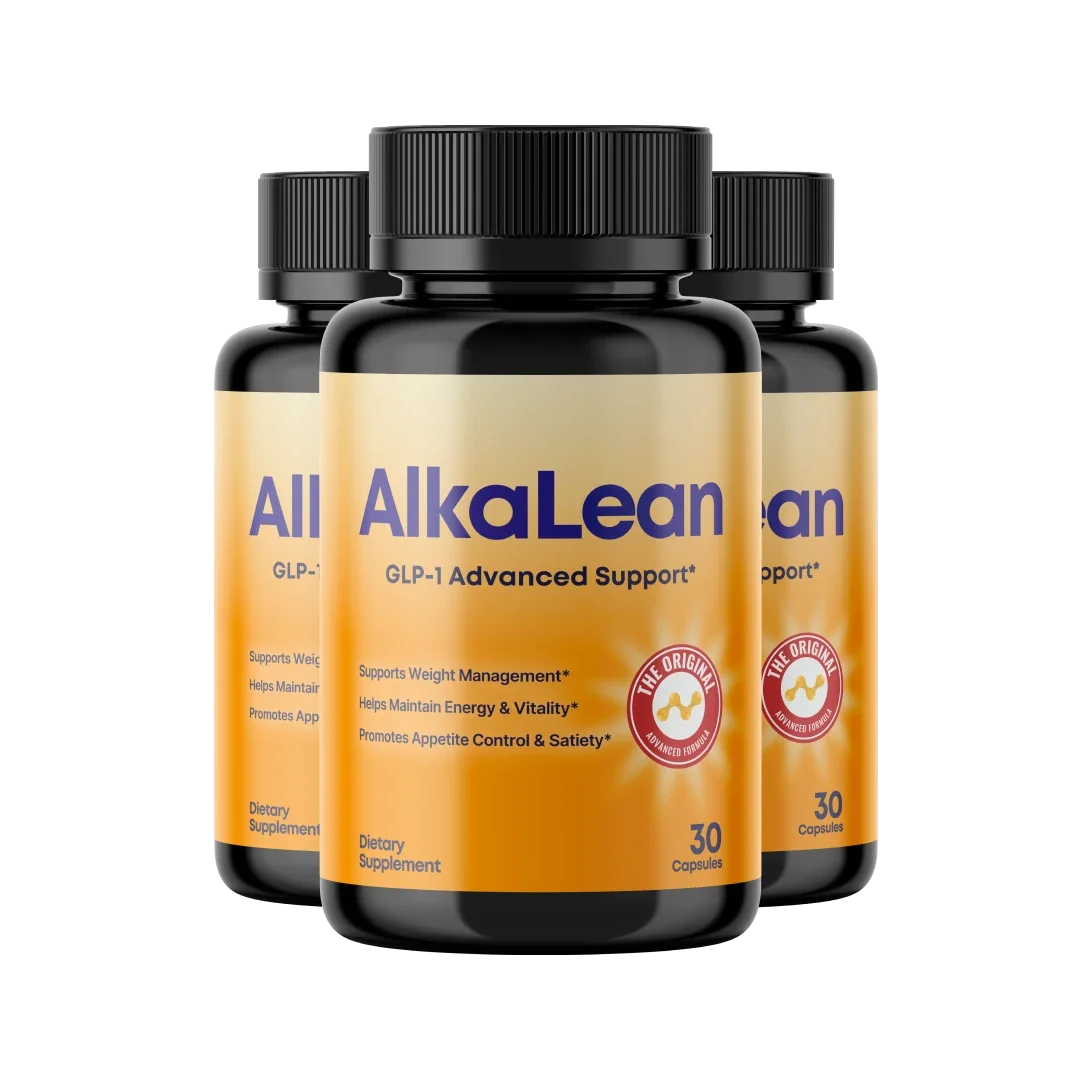
If a powder-and-water fibre routine is not for you, AlkaLean takes a different route — BHB salts and apple cider vinegar in one daily gummy. The official store has current pricing, a single-bottle option and a 60-day money-back guarantee.
Order Now
Side effects and who should be careful
For most people, the downsides of glucomannan are digestive and manageable. Because you are adding a large amount of fermentable, water-holding fibre to your gut, the common complaints are bloating, gas, loose or softer stools, and occasional cramping, especially in the first week or two. These usually settle as your gut microbiome adjusts, and the "start low, build up" approach exists precisely to keep them mild.
The serious risk, as noted, is mechanical: choking or blockage if the fibre expands before it reaches the stomach. That is why tablet forms have drawn the most scrutiny and why every responsible label insists on taking it with a full glass of water and never just before lying down. Beyond that, there are two groups who should be thoughtful. If you take medication, glucomannan's gel can slow how quickly drugs are absorbed, so space doses apart by a couple of hours and mention it to your pharmacist. And if you have any swallowing difficulty or a history of gastrointestinal narrowing, a bulking fibre is not the right tool for you. As always, anyone pregnant, nursing, or managing a medical condition should check with a clinician before starting — a sensible rule for any supplement, fibre or otherwise.
Two myths worth retiring
Myth one: "more fibre means more weight loss." It does not work that way. Past the dose where you feel comfortably full, extra glucomannan mostly buys you extra bloating, not extra results. The appetite effect has a ceiling, and pushing past it trades a modest benefit for real discomfort. The goal is enough to take the edge off hunger before a meal, not the largest scoop you can tolerate.
Myth two: "the calorie-free noodle means calories do not count." Shirataki and konjac products are genuinely low in calories, which is useful, but they do not neutralise the calories in whatever you put on top of them. A glucomannan noodle bowl drowned in a rich, heavy sauce is not a weight-loss meal. Fibre is a tool for eating a bit less overall; it is not a loophole around energy balance. The same principle governs how resistant starch feeds the gut — a different fibre with real benefits that still lives inside the same calorie arithmetic.
Glucomannan is a genuine, mechanical appetite tool with a modest ceiling. Any page that promises it "melts fat" or lets calories stop counting has stopped explaining and started selling.
Glucomannan vs AlkaLean's approach: two different jobs
This is the comparison most buyers actually want, so here it is straight. Glucomannan and AlkaLean both touch appetite, but they do fundamentally different things. Glucomannan is a bulking fibre: it fills stomach volume so you eat less at that specific meal. AlkaLean is a BHB and apple cider vinegar formula: its appetite angle, such as it is, comes from ketone signalling and steadier energy rather than from physically occupying your stomach. One works from the inside of the stomach outward; the other works through blood chemistry and how hungry you feel between meals.
Which is "better" depends on the problem you are solving. If your struggle is portion size at the dinner table — you sit down ravenous and overeat before you notice — a fibre that makes you feel full sooner is a logical fit. If your struggle is the mid-afternoon energy dip and the snack-seeking that follows, a BHB approach aimed at steadier fuel may map better to your actual weak point. They are not competitors so much as different keys for different locks, and some people reasonably use a fibre before their biggest meal and a BHB gummy earlier in the day. If you are weighing whether the BHB side is worth it, our plain-English take on whether BHB actually helps you lose weight is the honest place to start.
What matters is that you choose based on mechanism, not marketing. A product that fills your stomach and a product that nudges your ketones are both defensible; a product that claims to do everything, effortlessly, is not.
How to use a fibre appetite tool without fooling yourself
If you want to give glucomannan a fair test, treat it as an experiment with honest measurement rather than a leap of faith:
- Aim it at your biggest meal. Take a dose before the meal where you most reliably overeat. That is where a "feel full sooner" effect pays off the most.
- Respect the water rule every single time. Full glass, taken while sitting upright, never just before bed. This is safety, not fussiness.
- Keep protein and vegetables central. Fibre helps you eat less of a good plate; it cannot rescue a plate that is short on protein and long on refined carbs.
- Judge it over weeks, not days. The fullness is felt per meal, but whether it actually lowers your weekly intake — the thing that moves the scale — only shows up across weeks.
Do that, and you will get a clear, personal answer to whether a glucomannan appetite suppressant earns a place in your routine — which is far more useful than any general claim, because appetite and gut tolerance genuinely vary from person to person.

See the current AlkaLean price
If a BHB-and-ACV gummy fits your day better than a fibre powder, the official store has current pricing, a single-bottle option and a 60-day money-back guarantee.
Order NowFrequently asked questions
How does glucomannan suppress appetite?
Glucomannan is a soluble fibre from the konjac root that absorbs water and swells into a thick gel in your stomach. That gel adds volume, slows how quickly the stomach empties, and blunts the blood-sugar rise after eating, so you feel full sooner and stay satisfied a little longer. The effect is mechanical and modest, and it depends entirely on taking it with plenty of water before a meal.
What is the correct glucomannan dosage?
Most studies use roughly 1 gram of glucomannan taken about 15 to 30 minutes before each main meal, with a large glass of water, for a total of around 2 to 3 grams a day. Starting at the lower end and building up helps limit gas and bloating. Never take it dry or without enough water, because the fibre expands quickly and can be a choking hazard.
Are there side effects to glucomannan fiber?
For most people the side effects are digestive and mild: bloating, gas, softer stools or mild cramping, usually easing as your gut adjusts. The one serious risk is choking or blockage if it is swallowed without enough fluid or in a tablet form that expands in the throat, so always take it with a full glass of water. If you take medication, space it apart, since fibre can slow absorption.
Does AlkaLean use glucomannan or another appetite approach?
AlkaLean does not use glucomannan. Its formula is built around BHB mineral salts and apple cider vinegar rather than a bulking fibre, so its appetite angle works through ketone signalling and steadier energy instead of physically filling the stomach. Both are legitimate approaches; they simply do different jobs, and some people combine a fibre before meals with a BHB gummy earlier in the day.