Exogenous Ketones vs Endogenous Ketosis: The Difference That Actually Matters
Exogenous ketones vs endogenous ketosis: what's the difference?
Endogenous ketosis is when your liver makes ketones by breaking down your own stored fat, during carb restriction or fasting. Exogenous ketones are the same molecules taken as a supplement from outside the body. Only endogenous ketosis reflects fat being burned; exogenous BHB is simply an external fuel that raises your blood ketone reading.
- Endogenous: ketones your body makes from fat — reflects fat breakdown.
- Exogenous: ketones you swallow — raises blood BHB in 30–60 minutes.
- Key point: a high ketone reading does not prove you are losing fat.
The whole exogenous ketones vs endogenous ketosis debate comes down to one word your ketone meter cannot read: source. Both put the exact same molecule — beta-hydroxybutyrate, or BHB — into your bloodstream, and a meter reports the same number for both. But one of those ketones was manufactured by your own liver as it dismantled stored body fat, and the other was manufactured in a factory and swallowed. That difference is invisible to a test strip and decisive to your results.
Get this distinction wrong and everything downstream goes wrong with it: you misread your meter, you buy products for the wrong reason, and you conclude a supplement is “working” when all it has done is enter your blood. Get it right and the entire category of exogenous ketone products snaps into focus — genuinely useful for a couple of specific jobs, and useless for the one thing most people buy them for.

Endogenous ketosis: ketones made from your own fat
Endogenous means “generated within.” Endogenous ketosis is the metabolic state your body enters when carbohydrate runs low — through a low-carb diet, a long fast, or prolonged hard exercise. With glucose scarce and insulin low, your liver turns to stored fat, breaking fatty acids down into ketone bodies (BHB and acetoacetate) to fuel the brain and muscles that would normally run on sugar.
The important thing about this state is what a rising ketone level means in it. When you are in endogenous ketosis and your meter climbs, that ketone is the by-product of your own fat being taken apart. The reading is a genuine signal that fat is being mobilised for fuel. This is the version of ketosis the whole keto diet is built around, and it is the only version in which “ketones up” and “fat down” travel together.
It is also earned rather than bought. Endogenous ketosis requires you to actually keep carbohydrate and insulin low for long enough that the liver switches over, which typically takes a day or more of real dietary change and comes bundled with the electrolyte upheaval people call keto flu. There is no shortcut into it from a bottle — which is exactly the misunderstanding exogenous products trade on.
Exogenous ketones: fuel delivered from outside
Exogenous means “generated outside.” Exogenous ketones are BHB molecules made in a facility, usually bound to a mineral to form a stable salt, and taken as a powder or capsule. Swallow an adequate dose and your blood BHB rises within roughly 30 to 60 minutes, often to a level a keto dieter would be pleased to see. The molecule is real, the absorption is real, and the reading on your meter is real.
What is not real is the implication that the reading came from your fat. It did not. You imported the ketone. Your liver did nothing; your fat cells released nothing. In fact, because exogenous BHB is itself a fuel carrying calories, taking it can slightly suppress the small amount of ketone your body might otherwise have made, since the presence of an external fuel reduces the demand to produce your own. This is the crux of the exogenous ketones vs endogenous ketosis distinction: same molecule, opposite meaning.
Because these are mineral salts, a real dose of exogenous BHB also delivers a real dose of calcium, magnesium or sodium, each with its own upper limit. That trade-off is worth understanding before you scale up the dose, and we cover it in the calcium, magnesium and sodium BHB salts explainer.
A ketone meter measures how many ketones are in your blood. It has no way of knowing whether they arrived from your fat cells or from a scoop of powder. The number is the same; the meaning could not be more different.
Same molecule, opposite meaning: a side-by-side
Laid out plainly, the two could not diverge more on the points that matter, even as they converge completely on the chemistry.
| Endogenous ketosis | Exogenous ketones | |
|---|---|---|
| Source of the ketone | Your liver, from stored fat | A supplement, from outside |
| Reflects fat breakdown? | Yes — that is where the ketone came from | No — the fat was never touched |
| How it is achieved | Low-carb diet, fasting, prolonged exercise | Swallowing BHB salts or esters |
| Onset | Roughly a day or more of carb restriction | Blood BHB rises in 30–60 minutes |
| Requires an energy deficit? | Effectively yes, to sustain it | No — works on any diet |
| Meter reading means | Fat is being used for fuel | The supplement was absorbed |
Read down the “reflects fat breakdown” row and you have the entire answer to why exogenous ketones are not a weight-loss shortcut. If losing weight is the goal, the column you want is the left one, and the only way to buy your way into the right column is to buy a fuel — not a result. For the fuller version of that argument, see our piece on whether BHB helps you lose weight.
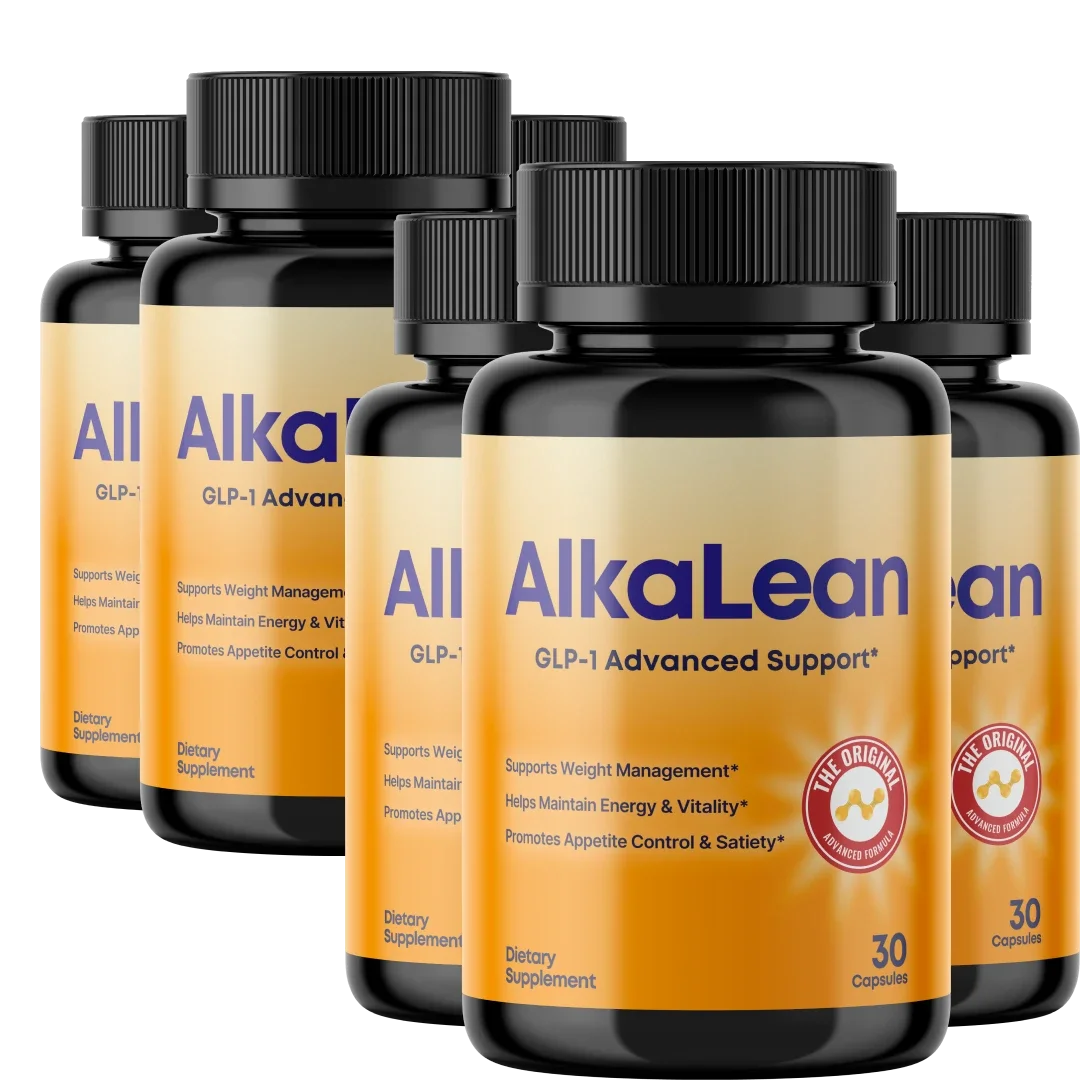
Using exogenous ketones as a low-carb support?
AlkaLean combines exogenous BHB with three mineral salts and apple cider vinegar in one daily dose. The official store has the full label, the current price and a 60-day money-back guarantee.
Order NowWhen exogenous ketones are actually useful
Dismissing exogenous ketones as pointless is as wrong as overselling them. They have two genuinely defensible jobs, both of which are about supporting a process rather than replacing it.
As a fasting aid. During a fasting window you are deliberately not eating, and for some people the hardest parts are the hunger and the low-energy dip. Because exogenous BHB raises blood ketones within the hour and may blunt appetite, it can supply a clean fuel and take the edge off, all without breaking the metabolic intent of the fast in the way a snack would. It does not undo the fast's benefits; it makes the window easier to hold.
As a keto-flu bridge. The first few days of serious carb restriction are when your own ketone production has not yet ramped up but your glucose supply has already dropped — the gap that produces the headaches, fatigue and fog of keto flu. Supplying ketones from outside during that gap can soften the transition until your liver catches up. The other half of that transition is electrolytes, and much of what people blame on “low ketones” is really lost sodium and magnesium, as our guide to electrolytes on a low-carbohydrate diet explains.
Notice what both jobs have in common. Neither is “burn my fat for me.” Both are “help me sustain the low-carb or fasting state that will burn my fat.” That is the honest lane for exogenous ketones, and it is a legitimately useful one.

Salts versus esters: how exogenous ketones are actually sold
Not all exogenous ketones are the same product, and the difference changes both the experience and the price. There are two main forms. Ketone salts are BHB bound to a mineral — calcium, magnesium or sodium — sold as a powder or capsule. They are the common, affordable form, and they are what most consumer products, including combined weight formulas, use. Ketone esters are BHB bound to a carrier such as butanediol, sold mostly as a liquid. They raise blood ketones higher and faster and are favoured in research and by some endurance athletes, but they are expensive and famously unpleasant to drink.
For the exogenous ketones vs endogenous ketosis question, the form is a footnote: whether it is a salt or an ester, it is still a ketone from outside, and it still does not represent your own fat being burned. Where the form matters is practical. With salts, the mineral is the ceiling — you cannot keep raising the BHB dose without stacking up sodium, calcium or magnesium, which is why serving sizes are capped and why the mineral profile is worth reading. With esters, the cost and the taste are the ceiling. Neither form escapes the central fact that a swallowed ketone is fuel you added, not fat you spent.
Why they don't create fat-burning ketosis on a high-carb diet
This is the objection that sinks the “take ketones, keep eating carbs” pitch. Endogenous ketosis is a response to low insulin and scarce glucose. On a high-carbohydrate diet you have the opposite: plenty of glucose and elevated insulin, which is a hormonal signal to store fat, not release it. Adding exogenous ketones to that state does not flip the signal. You end up with a high ketone reading and a high-carb metabolism running side by side — ketones present, fat still locked away.
So the presence of ketones in your blood, by itself, tells you nothing about whether you are losing fat. You can register ketones from a supplement while eating in a calorie surplus and gain weight. You can be in genuine endogenous ketosis and still not lose weight if you are eating enough fat to cover your needs, because ketosis is a fuel state, not a deficit. In every case the deciding variable is the energy balance, not the ketone reading — a point the exogenous ketones vs endogenous ketosis framing makes unavoidable once you see it.
How to read your own ketone meter honestly
If you use a meter, the practical rule is simple: interpret the number in light of what you did in the previous hour. If your reading is elevated and you have not taken any exogenous ketones, and you have been restricting carbs or fasting, that is a reasonable sign of endogenous ketosis — your own fat feeding the fire. If your reading is elevated shortly after a scoop of BHB salts, that is absorption, and it tells you nothing about your fat at all. Same number, different story, and only you know which one applies because only you know what you swallowed.
The trap to avoid is using a supplement and then treating the resulting spike as a progress metric. It is the most common self-deception in the whole category. Judge fat loss by the slow signals — the scale trend over weeks, how clothes fit, waist measurements — not by a reading that a product was always going to produce. And if what you actually want is an easier low-carb week rather than a meter number, that is where exogenous BHB earns its place, and where a combined formula like AlkaLean is aimed.
It also helps to remember why the confusion is so sticky. Early ketone-supplement marketing leaned hard on the fact that a meter cannot distinguish the two sources, presenting a guaranteed post-dose spike as if it were evidence of accelerated fat loss. Once you understand that the reading is agnostic to origin, the pitch loses its grip: the strip is telling you a ketone is present, not where it came from or what it cost your body to be there. That single correction is worth more than any product, because it lets you evaluate every ketone claim you will ever see on its merits rather than on a number designed to impress you.
The bottom line
Exogenous ketones vs endogenous ketosis is not a contest between two ways to lose weight. It is the difference between a fuel you buy and a fat-burning state you reach. Endogenous ketosis reflects your own fat being used and is earned through diet, fasting or exercise. Exogenous ketones are an external fuel that raises your blood BHB within the hour and can genuinely help you sustain a fast or survive the keto-flu transition — but they do not create fat-burning ketosis on a high-carb diet, and a meter reading after a dose proves only that you absorbed it.
Use exogenous ketones for the jobs they are good at, keep your eye on the energy deficit that actually moves the scale, and never let a test strip talk you out of the difference between fuel you added and fat you spent.

See AlkaLean's exogenous BHB and electrolyte blend
If you want exogenous ketones alongside minerals and apple cider vinegar to support a low-carb routine, the official store has the full label, the current price and a 60-day money-back guarantee.
Order NowRelated reading
Frequently asked questions
What is the difference between exogenous and endogenous ketones?
Endogenous ketones are made inside your body by the liver when it breaks down stored fat, usually during carbohydrate restriction or fasting. Exogenous ketones are the same molecules manufactured outside the body and taken as a supplement, typically BHB bound to a mineral salt. The chemistry in your blood is identical; the source is opposite. Only the endogenous version reflects your own fat being used for fuel.
Do exogenous ketones mean I'm burning fat?
No. When you take exogenous ketones, your blood ketone level rises because you added ketones from outside, not because your body released fat. A ketone meter cannot tell the two sources apart, so a high reading after a supplement is proof of absorption, not of fat loss. Fat burning is the process that creates endogenous ketones, and that is a separate event driven by an energy deficit.
When are exogenous ketones actually useful?
They are most useful as a fasting aid and a bridge through the keto-flu transition. Exogenous BHB salts raise blood ketones within about 30 to 60 minutes, which can supply fuel during a fasting window, blunt appetite for some people, and soften the fatigue of the first low-carb days while your own ketone production ramps up. They are a support tool, not a fat-loss agent.
Can I be in ketosis and still not lose weight?
Yes, easily. Ketosis is a fuel state, not a guarantee of an energy deficit. If you eat more calories than you burn, you can register ketones and still gain weight, and taking exogenous ketones makes this even more likely because they add both fuel and calories. Weight loss depends on the deficit, not on the presence of ketones in your blood.