Electrolytes on a Low-Carbohydrate Diet: The Week-One Problem
Almost everyone who cuts carbohydrates sharply feels rough for a few days. It gets called keto flu, or detox, or the body adjusting. It is mostly one thing: salt.
Why do you need more electrolytes on a low-carbohydrate diet?
Cutting carbohydrates lowers insulin, which tells the kidneys to shed sodium and the water, potassium and magnesium that follow it. That loss drives the headaches, cramps and fatigue of week one. Replacing sodium, magnesium and potassium — through salted food, broth or a mineral supplement — usually fixes it within a day.
The mechanism
Eat fewer carbohydrates and circulating insulin falls. Insulin has a day-job most people never hear about: it signals the kidney to reabsorb sodium rather than excrete it. When insulin drops, that signal weakens, and sodium starts leaving in the urine — taking water with it, and dragging some potassium and magnesium along.
This is also why the first few pounds come off so fast on a low-carbohydrate diet, and why they come back the moment you eat a large plate of pasta. Most of it is water following sodium in and out.
What it feels like
- Headache, usually in the first three to five days
- Lightheadedness on standing up quickly
- Muscle cramps, classically at night and in the calves
- Flat, heavy fatigue that does not respond to sleep
- Irritability and difficulty concentrating
- Constipation
Read as a list of symptoms it sounds like a diet not agreeing with you. Read as an electrolyte problem it is a straightforward and fixable deficiency.
Why this is the strongest claim on a ketone salt label
Because it is the one where the mechanism is simple, the timescale is short, and the effect is noticeable. Whether an exogenous ketone changes fat oxidation is genuinely debatable. Whether replacing lost sodium makes a person feel less terrible on day four is not really debatable at all.
If a ketone salt product does something you notice in week one, this is almost certainly what it did.
What else covers it
Plain food, mostly, and cheaply: salt your food deliberately, a cup of broth, magnesium-rich foods such as nuts, seeds and leafy greens, and enough water — but not so much that you dilute what sodium you have left, which is a common and counterproductive overcorrection.
A ketone salt supplement is a convenient way to get some of this. It is not the only way and it is not the cheapest way, and a page that stands to earn from the sale ought to say so.
When it is not electrolytes
Two situations to take seriously rather than supplement through. If symptoms are severe, persistent beyond a couple of weeks, or include palpitations, confusion or fainting, that is a doctor rather than a diet adjustment. And anyone taking medication for blood pressure, heart failure or kidney disease should not be self-managing sodium at all — those drugs are frequently doing the opposite job on purpose.
The takeaway
The first fortnight of a low-carbohydrate diet is an electrolyte event, not a character test. Knowing that is worth more than most supplements, and it also tells you what a mineral-salt product is actually likely to do for you.
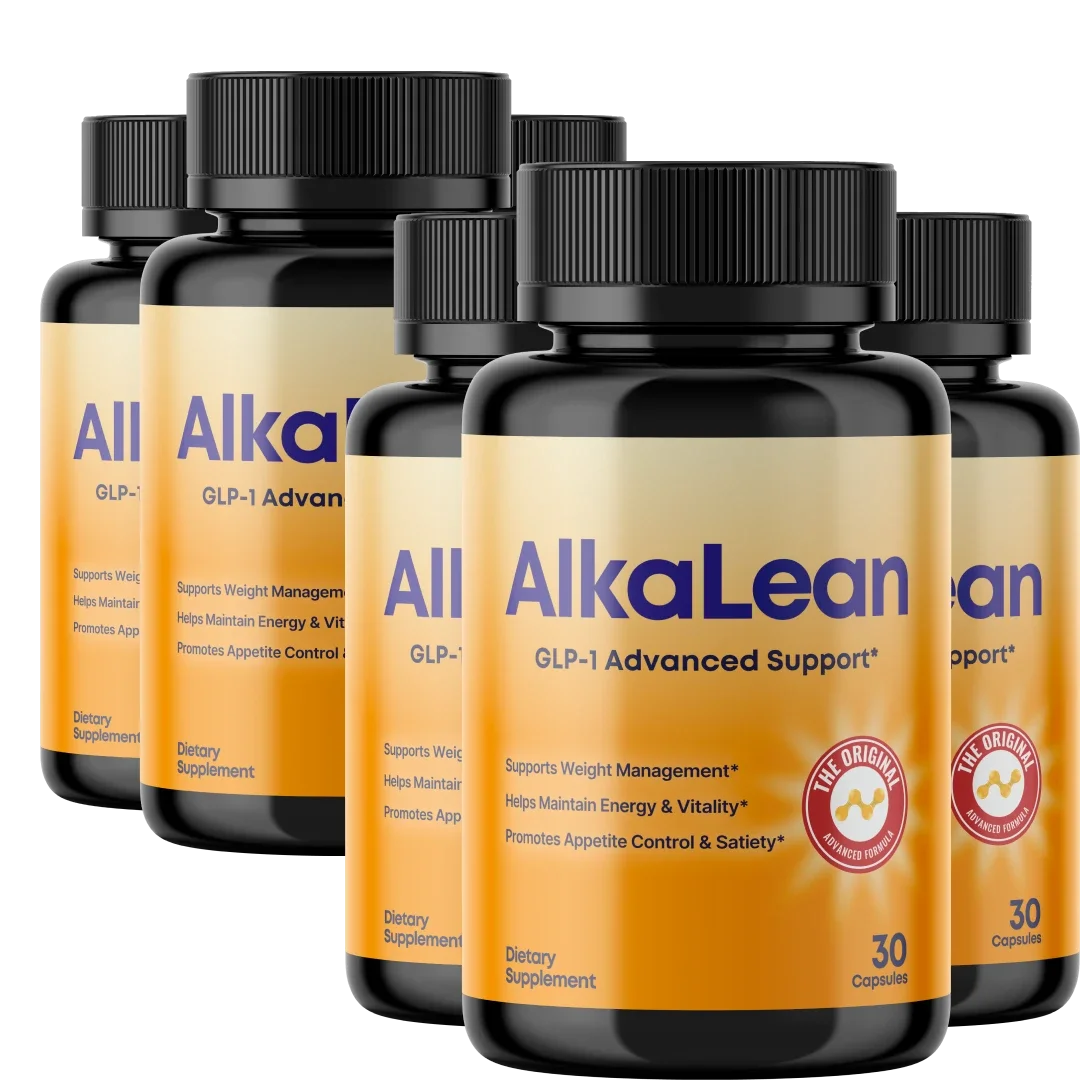
See the current AlkaLean price
Official store pricing, a single-bottle option, and a 60-day money-back guarantee.
Order NowFrequently asked questions
Is 'keto flu' real?
The symptoms are real; the name is misleading. It is largely sodium and fluid depletion caused by falling insulin, and it usually resolves within a day or two of replacing electrolytes.
How much sodium do I need?
It depends on you, your diet and your medication, which is why this is a question for a doctor or dietitian rather than a website — particularly if you take anything for blood pressure or your heart.
Can I just drink more water?
That often makes it worse. Adding water without sodium dilutes what you have left. Fluid and electrolytes have to move together.
Do I need a supplement for this?
No. Salting food deliberately, a cup of broth and magnesium-rich foods cover it cheaply. A ketone salt product is a convenient version of the same thing, not a unique one.