Berberine vs BHB for Weight Loss Explained
Berberine vs BHB for weight loss: what is the difference?
Berberine and BHB work through different routes. Berberine for weight loss acts on blood sugar and metabolic signalling and has modest human data; BHB is an exogenous ketone that raises blood ketones for a few hours. Neither causes fat loss alone, and AlkaLean uses BHB, not berberine, alongside a calorie deficit.
- Evidence: a 2022 review of 18 studies found berberine gave small weight and BMI drops; BHB has weaker fat-loss data.
- Dose: berberine studies use about 500 mg up to three times daily; GI side effects are common.
- AlkaLean: a BHB-plus-ACV formula, so it sits on the ketone side of this comparison, not the berberine side.
Search interest in berberine for weight loss has been climbing fast — it now pulls tens of thousands of queries a month and the trend line is still rising — and much of that curiosity lands right next to BHB ketones on the supplement shelf. The two get lumped together because both promise an easier road to fat loss, yet they could hardly be more different in how they work, what the research says, and who they suit. This guide compares berberine and BHB honestly, without the "metabolism hack" hype, so you can see where each genuinely earns its place and where AlkaLean's BHB formula fits in the picture.
Two ingredients, two completely different mechanisms
The first thing to understand is that berberine and BHB are not competing versions of the same idea. Berberine is a plant alkaloid, extracted from shrubs such as barberry and goldenseal, that has been used in traditional medicine for centuries. Its modern interest comes from how it behaves inside cells: it appears to activate an enzyme called AMPK, sometimes nicknamed the body's "metabolic master switch," which influences how cells handle glucose and fat. Most of berberine's studied benefits cluster around blood sugar control and metabolic markers rather than dramatic scale movement.
BHB, or beta-hydroxybutyrate, is something else entirely. It is a ketone body — a fuel your liver makes when carbohydrate is scarce, and the same molecule you can take as an exogenous supplement. When you swallow BHB, your blood ketone level rises for a few hours, which is why keto supplements lean on it. But raising a fuel level in the blood is not the same as burning stored body fat, and this is the distinction that most marketing quietly blurs. If you want the deeper version of that argument, our explainer on whether BHB actually helps you lose weight walks through what exogenous ketones can and cannot do.
What the research actually shows for berberine for weight loss
Berberine has the more substantial human record of the two, and it is worth being precise about what that record says rather than what headlines imply. A 2022 systematic review pooling 18 studies found that berberine was associated with modest reductions in body weight and BMI. The operative word is modest. These were small average changes, many of the trials were short, and the clearest effects tended to show up in people who already had metabolic conditions such as type 2 diabetes or prediabetes — not in otherwise healthy adults chasing the last ten pounds.
That nuance matters because it sets a realistic expectation. Berberine is not a fat-melting compound; it is a metabolic-support ingredient whose weight effect is a secondary consequence of better blood-sugar handling in the people it helps most. Reading "18 studies showed weight loss" and picturing a dramatic transformation is exactly the misread that leaves people disappointed. The evidence supports a small, real nudge in the right context, and that is a reasonable thing to buy — as long as you buy it for what it is.
Dosing and side effects: berberine's practical catch
Here is where berberine gets less convenient than a single daily gummy. The doses used in research are typically around 500 mg taken up to three times a day, roughly 1,000 to 1,500 mg total, and almost always split across meals. That split is not arbitrary. Berberine's most common side effects are gastrointestinal — diarrhoea, constipation, cramping, gas and stomach pain — and spreading the dose is the standard way to keep them tolerable. Even then, a meaningful share of people find the GI effects hard to live with.
There is a second, more important caution. Berberine can lower blood sugar and may interact with a range of medications, including some processed by the liver and drugs used for diabetes and blood pressure. It is not recommended in pregnancy or while breastfeeding. None of this makes berberine dangerous for the average healthy adult, but it does mean berberine is genuinely a "check-with-your-doctor-first" supplement rather than a grab-and-go one — particularly if you already take prescriptions.
Where BHB fits — and its own honest limits
BHB's appeal is different. It does not try to change how your cells process glucose over weeks; it delivers a ketone your body can use as fuel, right now, for a few hours. For people following a low-carbohydrate or keto diet, that short-lived ketone bump is sometimes used to smooth the rough early days of carb restriction, when energy dips and the so-called "keto flu" hits. Some users also report a modest appetite effect, which we cover in our piece on how BHB and appetite suppression really work.
But BHB's honest limits are just as real as berberine's. Exogenous ketones do not create a calorie deficit, and the fat-loss evidence for taking BHB on its own is weak. Raising blood ketones from a supplement is not the same as being in nutritional ketosis, and it will not override a diet that supplies more energy than you burn. So while BHB is lower-hassle than berberine — no three-times-a-day schedule, far fewer GI complaints at typical supplement amounts — it is not a stronger fat-loss tool. It is a different tool, aimed mostly at the low-carb experience rather than at metabolic markers.
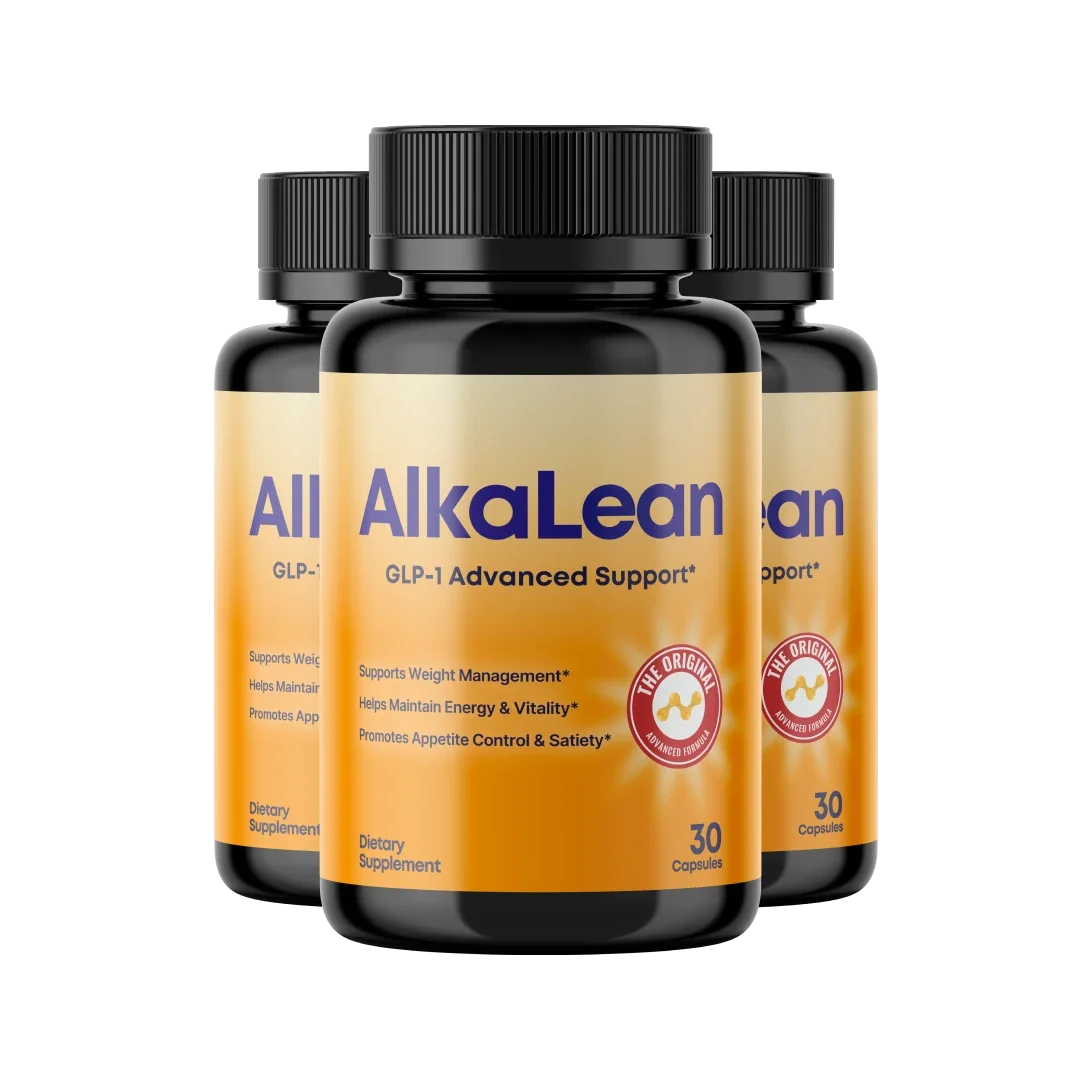
Want the BHB approach with a real guarantee?
If the ketone-plus-ACV route is the one that fits your plan, the official AlkaLean store shows all three tiers, the full ingredient panel and a 60-day money-back window so you can test a bottle at low risk.
See the official storeBerberine vs BHB, side by side
| Factor | Berberine | BHB (as in AlkaLean) |
|---|---|---|
| What it is | Plant alkaloid affecting AMPK and glucose handling | Exogenous ketone body used as short-term fuel |
| Main studied effect | Blood-sugar control; modest weight/BMI drops | Short-lived rise in blood ketones |
| Human evidence for weight | Moderate; 2022 review of 18 studies, modest results | Weak for fat loss on its own |
| Typical dose | ~500 mg up to 3x/day with meals | Once-a-day supplement serving |
| Common side effects | GI upset: diarrhoea, cramping, gas | Sodium load, mild diuretic effect at salt doses |
| Medication interactions | Notable; blood sugar and liver-processed drugs | Fewer, but check sodium if BP-sensitive |
| Best suited to | People managing blood sugar under medical guidance | People on a low-carb plan wanting a ketone/ACV adjunct |
The useful question is not "berberine or BHB." It is "which one matches the plan I will actually stick to" — because neither one works without the diet around it.
Three objections worth answering honestly
"Berberine is nature's Ozempic, so it must be stronger." This viral claim overstates the case badly. Berberine and GLP-1 prescription drugs are not comparable in magnitude; the drug effects are far larger and far better documented. Berberine's real evidence is a modest metabolic nudge, mostly in people with existing blood-sugar issues. Calling it a natural equivalent of a prescription medication is marketing, not science, and it sets buyers up to feel cheated.
"BHB puts me in fat-burning ketosis." Taking BHB raises the ketone level in your blood, but that is not the same as your body switching to burning its own fat for fuel. Nutritional ketosis is a state your metabolism enters through carbohydrate restriction; a supplement that adds ketones from outside does not force that switch and does not, by itself, empty your fat stores. The bump is real and short. The transformation it implies is not automatic.
"If I take either one, I do not need to change my diet." This is the objection that quietly sinks most supplement plans. Neither berberine nor BHB creates a calorie deficit, and a deficit is the non-negotiable engine of weight loss. Both ingredients, at best, make an existing plan a little easier to keep — berberine by supporting blood-sugar stability, BHB by smoothing a low-carb transition. Take away the plan and you take away the point.
Where AlkaLean lands in the berberine vs BHB debate
To be direct about it: AlkaLean is a BHB product, not a berberine one. It pairs apple cider vinegar with three mineral BHB salts — calcium, magnesium and sodium — and does not list berberine on its label at all. So if your search for berberine for weight loss has convinced you that berberine specifically is what you want, AlkaLean is not the match, and we would rather say so than pretend otherwise. What AlkaLean offers is the ketone-plus-ACV side of this comparison in a single daily gummy, backed by a 60-day money-back guarantee.
That honesty cuts both ways. If you are drawn to BHB because you are already eating low-carb and want a convenient ketone-and-ACV adjunct with a real refund window, AlkaLean is built for exactly that job. If you are drawn to berberine because you are managing blood sugar under a doctor's care, a dedicated berberine supplement — discussed with that doctor — is the more logical route, and no BHB gummy replaces it. The two ingredients are not interchangeable, and the smart move is to match the ingredient to your actual goal rather than to whichever one is trending hardest this month.
It is also worth remembering that neither ingredient is a shortcut around the fundamentals. Sleep, protein intake, resistance training and an honest calorie deficit do more for body composition than any capsule or gummy, and they cost nothing. A supplement — berberine or BHB — is the small lever you pull after the big levers are already in place, not instead of them. Any product, AlkaLean included, that implies otherwise is overpromising. These are structure-function supplements meant to support a plan you are already running; they are not intended to diagnose, treat, cure or prevent any disease, and results vary from person to person.
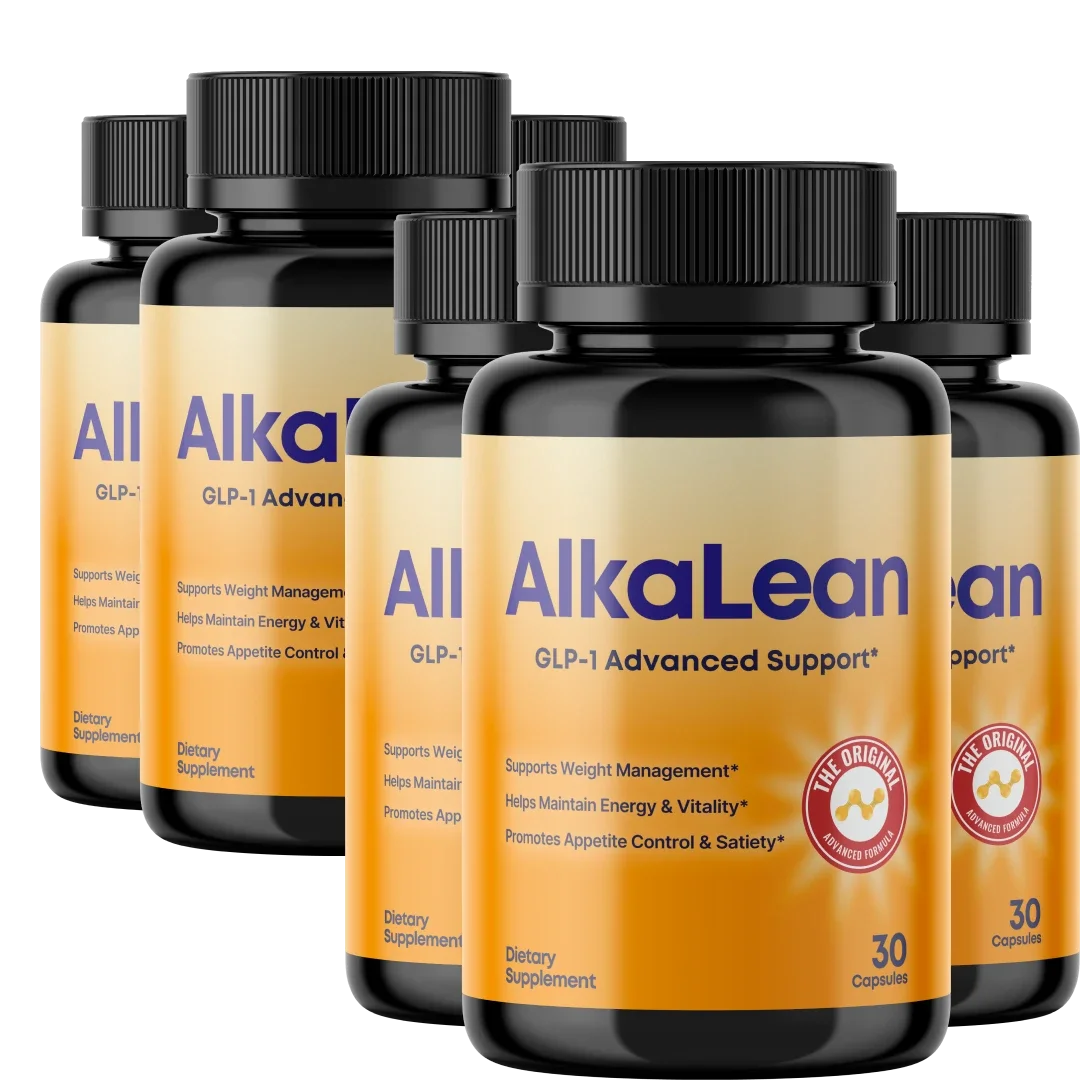
Decided the BHB route is right for you?
Check current pricing on the official AlkaLean store and order with the 60-day money-back guarantee in place, so you can trial the ketone-plus-ACV approach without gambling on the result.
Order NowFrequently asked questions
Is berberine or BHB better for weight loss?
Neither is a clear winner, because they work through different pathways and the evidence is thin on both. Berberine has more human data, including a 2022 review of 18 studies that found modest reductions in weight and BMI, mostly in people with metabolic conditions. BHB ketones raise blood ketones for a few hours but have not been shown to cause fat loss on their own. Both are adjuncts to a calorie deficit, not replacements for one.
How much berberine should I take for weight loss?
Most studies use roughly 500 mg of berberine taken up to three times a day, for a total near 1,000 to 1,500 mg, usually with meals to reduce stomach upset. That is a research dose, not medical advice, and berberine can interact with medications for blood sugar and blood pressure. Talk to a doctor before starting it, especially if you take prescriptions or have a health condition.
What are the side effects of berberine?
The most common side effects are digestive: diarrhoea, constipation, cramping, gas and stomach pain, which is why doses are usually split across meals. Berberine can also lower blood sugar and may interact with several medications, including drugs processed by the liver. It is not recommended during pregnancy or breastfeeding. Because reactions vary, checking with a doctor first is the safe route.
Does AlkaLean contain berberine or BHB?
AlkaLean is a BHB-based formula, not a berberine product. It pairs apple cider vinegar with three mineral BHB salts, calcium, magnesium and sodium, and does not list berberine on its label. If berberine specifically is what you want, AlkaLean is not the product for that; if you want an exogenous ketone plus ACV combination, that is what AlkaLean offers.